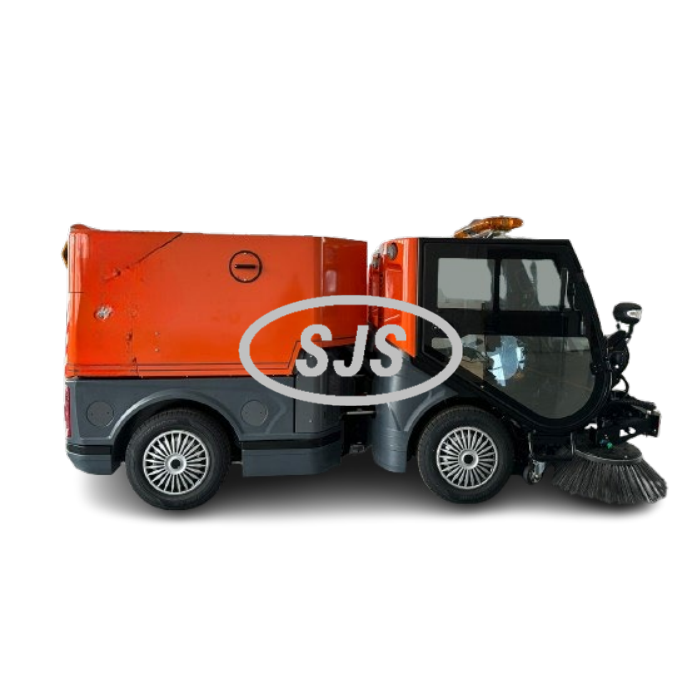
What is a road sweeper?
A road sweeper is a cleaning machine designed to remove debris, dust, leaves, and other materials from roads, streets, parking lots, and other paved surfaces. They typically use brushes, vacuums, and sometimes water to effectively clean these areas.
What are the different types of road sweepers?
There are several types, including:
- Walk-behind sweepers: Smaller, manually operated sweepers for sidewalks and smaller areas.
- Ride-on sweepers: Larger sweepers operated by a driver, suitable for larger areas like parking lots and industrial sites.
- Truck-mounted sweepers: Large, powerful sweepers built on truck chassis, used for street cleaning and municipal applications.
- Compact sweepers: Versatile, maneuverable sweepers suitable for urban environments and tight spaces.
What are the main benefits of using a road sweeper?
Benefits include:
- Improved cleanliness and aesthetics of public and private spaces.
- Enhanced safety by removing debris that could cause accidents.
- Dust control, leading to better air quality.
- Efficient and faster cleaning compared to manual methods.
- Reduced environmental impact by collecting and disposing of waste properly.
What kind of debris can a road sweeper pick up?
Road sweepers are effective at collecting a wide range of debris, including dust, dirt, sand, gravel, leaves, litter (paper, cans, etc.), and small branches. The effectiveness can vary depending on the type of sweeper and the size/weight of the debris.
How does a road sweeper work?
The basic working principle involves rotating brushes that loosen and sweep debris towards a collection system. This system can be a hopper where debris is directly deposited, or a vacuum system that sucks the debris into a storage container. Some sweepers also use water to suppress dust.
What kind of maintenance is required for a road sweeper?
Regular maintenance is crucial for optimal performance and longevity. This typically includes:
- Regularly checking and replacing brushes.
- Emptying the debris hopper or container.
- Checking and maintaining fluid levels (oil, hydraulic fluid, coolant if applicable).
- Inspecting and maintaining tires (if applicable).
- Cleaning or replacing filters.
- Following the manufacturer’s recommended maintenance schedule.

