
Biomedical Bins
In the healthcare industry, the proper disposal of biomedical waste is crucial for preventing the spread of infections and protecting public health. Biomedical bins, also known as clinical waste bins, play a vital role in this process by providing a safe and secure way to collect and store hazardous materials.

Biomedical Bin

Biomedical Bin
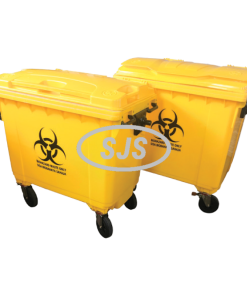
Biomedical Bin
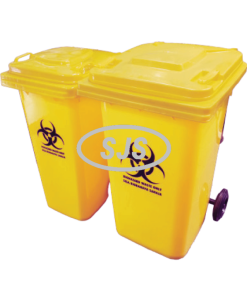
Biomedical Bin
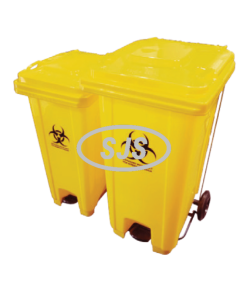
Biomedical Bin

Biomedical Bin
Biomedical Bin
Biomedical Bin
Biomedical Bin
Biomedical Bin
Biomedical Bin
Biomedical Bin
Biomedical Bin

Biomedical Bin
Biomedical Bin
Biomedical Bin
Biomedical Bin
Biomedical Bin
Biomedical Bin

Biomedical Bin
Biomedical Bin
Biomedical Bin
Biomedical Bins: A Comprehensive Guide for Safe and Effective Waste Disposal
What are Biomedical Bins?
Biomedical bins are specialized containers designed to hold and store biomedical waste, which includes:
-
Sharps: Syringes, needles, scalpels, and other sharp instruments contaminated with blood or other bodily fluids.
-
Pathological waste: Tissues, organs, and other human or animal materials that are removed during surgery or other medical procedures.
-
Infectious waste: Materials that are contaminated with infectious agents, such as viruses, bacteria, or parasites.
Types of Biomedical Bins
There are various types of biomedical bins available, each designed for specific types of waste:
-
Sharps bins: These bins have puncture-resistant walls and lids to prevent sharps from escaping and causing injuries.
-
Pathological waste bins: These bins are typically larger and have leak-proof liners to contain and transport bodily fluids and tissues.
-
Infectious waste bins: These bins are labeled with biohazard symbols and have secure lids to prevent the release of infectious agents.
Proper Use of Biomedical Bins
To ensure the safe and effective disposal of biomedical waste, it is essential to follow proper handling and disposal procedures:
-
Segregate waste: Separate different types of biomedical waste into designated bins to prevent cross-contamination.
-
Fill bins to no more than 75% capacity: Overfilling bins can lead to spills and leaks.
-
Close lids securely: Ensure that bin lids are properly closed to prevent the release of hazardous materials.
-
Label bins clearly: Label bins with appropriate biohazard symbols and waste classification information.
-
Dispose of bins promptly: Do not store filled biomedical bins for extended periods. Follow the disposal guidelines established by your healthcare facility.
Cleaning and Maintenance of Biomedical Bins
Proper cleaning and maintenance of biomedical bins are essential to prevent the spread of infections and maintain a hygienic environment:
-
Regularly clean and disinfect bins: Use appropriate disinfectants to clean both the interior and exterior of bins.
-
Replace liners frequently: Use leak-proof liners and replace them when they become full or contaminated.
-
Inspect bins for damage: Check bins regularly for cracks, holes, or other damage that could compromise their integrity.
-
Wear personal protective equipment (PPE): When handling or cleaning biomedical bins, wear gloves, masks, and protective clothing to prevent exposure to hazardous materials.
Importance of Biomedical Bins
Biomedical bins play a critical role in healthcare waste management by:
-
Protecting healthcare workers and the public from exposure to hazardous materials.
-
Preventing the spread of infections and diseases.
-
Ensuring compliance with environmental regulations.
Conclusion
Biomedical bins are essential components of healthcare waste management systems. By using the right types of bins, following proper handling and disposal procedures, and maintaining cleanliness, healthcare facilities can effectively protect their staff, patients, and the environment from the risks associated with biomedical waste.
